
Riding a Horse in Bromo, Is It Worth It?
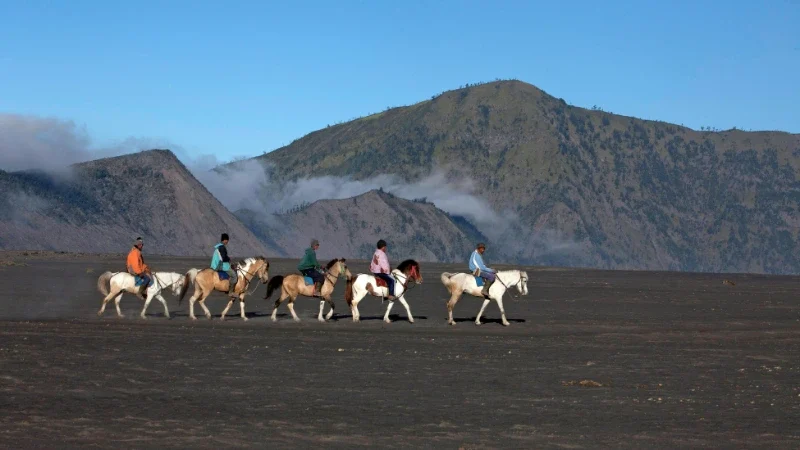
Photos of people riding horses against the backdrop of the sea of sand and Bromo’s mountain scenery certainly look iconic on social media. It is no surprise that riding a horse in Bromo has become an interesting activity for tourists, especially those who want to experience Bromo in a different way.
But beyond those picture-perfect photos, what is it actually like to ride a horse in Bromo? Before trying it yourself, let’s take a look at the experience, some interesting facts, and things you should know!
What Is It Like to Ride a Horse Across the Bromo Sea of Sand?
Many people imagine riding a horse in Bromo to be similar to riding one on a beach or at a recreational park. However, the terrain here is quite different. Fine volcanic sand, fairly strong winds, and uneven ground create their own challenges while also making the experience one to remember.
A horse’s steps feel softer on sand than on paved roads because the surface absorbs some of the impact. Add the impressive views of Mount Bromo and Mount Batok in the distance, and the experience can feel almost cinematic, especially when taking photos during golden hour.
What Can You Experience When Riding a Horse in Bromo?
Beyond the experience of riding across the sand, there are several other moments you may remember long after your trip. So, what can you expect?
- You can take photos with the horse while wearing traditional Tenggerese costumes, which are often offered by local guides.
- Brief interactions with the horse handlers can give you an insight into the lives of local people who rely on Bromo tourism for their livelihoods.
- You can experience the changing texture of the sand, from softer areas to firmer ground closer to the foot of the mountain.
- The early morning atmosphere, sometimes covered in a thin layer of fog, adds a dramatic touch to the horse-riding experience.
These little moments are what make horse riding in Bromo feel more memorable. It is not simply about sitting on a saddle and taking photos.
The Pros and Cons to Consider
Now that you know what the experience can be like, it is worth looking at the advantages and disadvantages of horse riding in Bromo. Whether it is worth it ultimately depends on several factors.
Advantages of Riding a Horse in Bromo
- Saves energy when crossing the vast and tiring sea of sand.
- Suitable for older travellers, children, or those with limited physical stamina.
- Shortens the journey to the foot of the crater stairs.
- Offers a unique experience and photo opportunity in the middle of the Bromo area.
Things to Consider
- Sandy and dusty terrain can sometimes make the horse’s steps less stable, especially for inexperienced riders.
- There is still a risk of falling or feeling uncomfortable if you are not used to sitting on a horse.
- The horse’s condition and welfare should also be considered. Choose a horse that looks healthy and well cared for.
- Rental prices can increase significantly when the tourist area gets busy.
Tips for Safe Horse Riding for Beginners
To keep the experience enjoyable and minimise risks, there are several things you should consider before getting on a horse in Bromo. What are they?
- Get to know the horse before riding it.
- Follow the handler’s instructions throughout the journey.
- Wear comfortable clothing and suitable equipment.
- Stay calm and maintain your balance while riding.
- Make sure you are physically fit enough for the activity.
- Avoid sudden movements that could startle the horse.
- Keep your belongings secure so they do not easily fall.
- Pay attention to the terrain and weather conditions during the journey.
- Do not force the horse if it appears tired or uncomfortable.
- Bring cash to pay the rental fee if needed.
By following these tips, you can enjoy the horse-riding experience more safely and comfortably.
So, Is Riding a Horse in Bromo Worth It?
The answer depends on each traveller’s needs and physical condition. If you are travelling with older family members or children, or simply want to save energy before climbing the hundreds of stairs to the crater, this can be a worthwhile option.
However, if you enjoy a relaxed trekking experience and do not mind walking, crossing the sea of sand without a horse can still be memorable.
Ultimately, riding a horse in Bromo is simply one of the ways to experience Mount Bromo. More importantly, make sure your entire journey, from transport and jeep arrangements to the itinerary, has been properly planned so your holiday remains comfortable and safe.
That way, the horse-riding experience you have been looking forward to will not be affected by poor preparation.
There is no need to worry about making lengthy preparations for your trip to Bromo. You can plan your journey with Landscape Bromo, which has plenty of experience organising Bromo trips. We offer a range of flexible tour packages, from private trips through our private tour packages, to open trips and local tour packages that can be adjusted to suit families, couples, or groups.
Ready to start planning? Contact us and discuss the tour package that best suits your needs!
FAQ
1. How much does it cost to ride a horse in Bromo?
Prices vary depending on the season and negotiation. A return journey is generally more affordable than paying for a one-way ride.
2. Can a horse take me directly to the Bromo Crater?
No. Horses can take you as far as the foot of the stairs. You will still need to walk up the stairs to reach the crater rim.
3. Is riding a horse in Bromo safe?
It can be relatively safe as long as you follow the handler’s instructions, hold on securely, and choose a horse that appears healthy and well cared for.
4. Can children ride horses in Bromo?
Yes, with adult supervision. Children should also remain accompanied by the horse owner or handler throughout the journey.
5. Is horse riding included in the tour package?
Generally, no. Horse riding is usually an additional cost paid directly at the location and is separate from the main tour package.
