
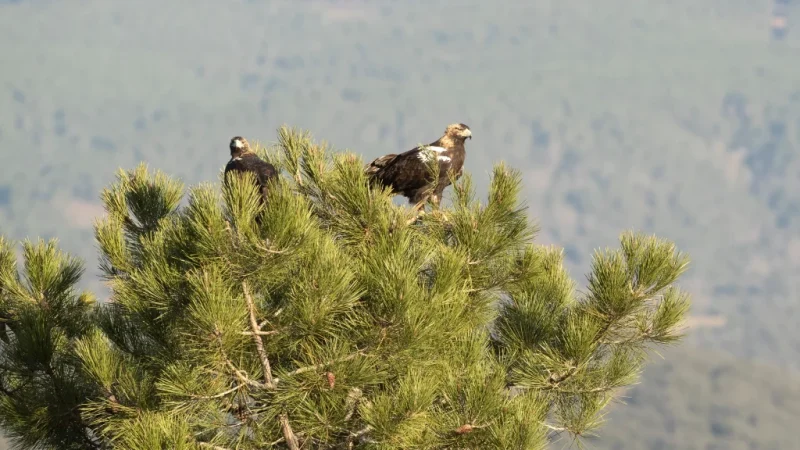
Getting to Know the Flora and Fauna of Bromo Tengger Semeru National Park
When people hear the name Mount Bromo, most may immediately picture the sunrise, sea of sand, or its active crater. These landscapes are indeed among the area’s main attractions. However, beyond the vast and seemingly dry expanse of sand lies an ecosystem that is home to a variety of plants and wildlife.
Bromo National Park is part of Bromo Tengger Semeru National Park (TNBTS). This conservation area features diverse landscapes, ranging from forests to savannas. These varying conditions allow different species of flora and fauna to thrive across the area.
For visitors, learning about this natural diversity can make a trip to Bromo more meaningful. You are not only visiting to enjoy the scenery, but also gaining a better understanding of the life that exists within this popular tourist destination.
Diverse Flora Found Around Bromo
The natural conditions across TNBTS allow a wide variety of plants to grow. Each area has different environmental characteristics, so the vegetation you encounter may vary from one location to another.
One of the best-known plants is the Javan edelweiss. The Tengger people call it kembang tana layu, which refers to a flower that does not easily wither. This plant also holds cultural significance for the Tengger people and is used in various traditional ceremonies.
Besides edelweiss, several other plants can be found throughout TNBTS, including:
- Javan edelweiss (Anaphalis javanica), a highland plant known for its ability to survive in mountainous environments.
- Mountain casuarina (Casuarina junghuhniana), which commonly grows in mountainous areas and forms part of Bromo’s characteristic vegetation.
- Grasses and shrubs, especially across the savanna, which turns green when environmental conditions are favorable.
- Various forest plants, including several species that grow in the mountainous forests of TNBTS.
The presence of these plants shows that the Bromo area is more than just a sea of sand. Behind its volcanic landscapes lies a constantly developing ecosystem in which different forms of life support one another.
Wildlife That Forms Part of the TNBTS Ecosystem
The natural richness of Bromo National Park can also be seen in the diverse wildlife that inhabits this conservation area. According to information from TNBTS, the area provides a habitat for various species of birds, mammals, reptiles, and insects. Some of them have conservation value and are protected species.
These wild animals generally live in areas far from the main tourist activity. As a result, visitors may not always have the chance to see them directly during their trip to Bromo.
Some wildlife recorded in the TNBTS area includes:
- Javan hawk-eagle (Nisaetus bartelsi), a bird of prey that plays an important role in the forest ecosystem of Java.
- Javan leopard (Panthera pardus), a predator that inhabits forest areas and tends to avoid human activity.
- Javan langur (Trachypithecus auratus), a primate that can be found in several forest areas of TNBTS.
- Various bird species, which use the TNBTS forests as habitats and feeding grounds.
- Deer and other wildlife, which form part of the natural food chain in the mountainous ecosystem.
The presence of these animals is one of the reasons why the TNBTS area needs to be protected. Tourism activities can continue, but they should take place alongside efforts to preserve natural habitats.
Why Should Visitors Help Protect the Environment?
Traveling through a conservation area comes with different responsibilities than visiting an ordinary tourist attraction. Every visitor plays a role in ensuring that flora and fauna can continue to live without being disturbed by human activities.
Simple actions such as not littering, not feeding wildlife, and staying on designated trails can already make a difference. You should also avoid taking plants or other parts of the natural environment as souvenirs while visiting a conservation area.
Javan edelweiss, for example, should not be picked from its natural habitat. Besides its ecological value, the plant is also closely connected to the life and culture of the Tengger people. Edelweiss cultivation has also been developed as part of conservation efforts and to support more responsible use of the plant.
By protecting the environment during your visit, you can help preserve Bromo’s natural conditions so future visitors can enjoy them as well.
Enjoying Bromo National Park Without Disturbing Nature
Exploring Bromo does not mean you have to approach every natural feature that catches your attention. Sometimes, enjoying the scenery from designated paths is a better choice. This allows you to appreciate the landscape without disturbing the surrounding environment.
Transportation is another aspect worth considering, especially if you plan to visit several areas during one trip. Using suitable transportation and following permitted routes can make your journey more convenient while helping keep tourism activities organized.
If you need transportation to explore the Bromo area, Landscape Bromo provides jeep rental services that can be adjusted to your travel needs. You can also choose an open trip if you want to travel with other visitors or a private trip if you prefer to travel with your own family or group.
With your travel arrangements prepared in advance, you can enjoy the scenery, capture memorable moments, and discover another side of Bromo without having to spend too much time managing transportation during your trip.
Ultimately, the beauty of Bromo National Park lies not only in its sea of sand or sunrise views. Its flora, fauna, and ecosystems are also an important part of what makes this area special. That is why every trip should be planned with respect for nature and in accordance with the applicable regulations.
If you are planning a trip to Bromo and need transportation to explore several destinations, contact Landscape Bromo to discuss your travel needs. Our team can help arrange services based on your itinerary and group size.
FAQ
1. Can visitors feed wild animals in Bromo National Park?
No. Feeding wildlife can alter their natural behavior and cause them to become dependent on humans. It is best to observe wildlife from a safe distance without giving them food.
2. Can visitors pick edelweiss flowers when visiting Bromo?
It is best not to pick edelweiss growing in the conservation area. This flower is part of the mountain ecosystem and also holds cultural significance for the Tengger people. If you want to purchase edelweiss, choose cultivated products sold through official channels.
3. Can visitors see Javan hawk-eagles or Javan leopard during their trip?
It is possible, but visitors should not expect to see them as part of their itinerary. Wild animals tend to avoid busy areas and spend most of their time in their natural habitats.
4. Is Bromo National Park only a sea of sand?
No. TNBTS has a much more diverse landscape. The area includes mountain forests, savannas, volcanic areas, and various habitats that support a wide range of flora and fauna.
5. What can visitors do to help protect Bromo’s natural environment?
Start with simple actions such as taking your trash with you, not feeding wildlife, avoiding picking plants, and following designated trails and regulations. This allows tourism activities to continue without compromising the preservation of the area.
