
Natural Phenomena at Mount Bromo That Keep Tourists Coming Back
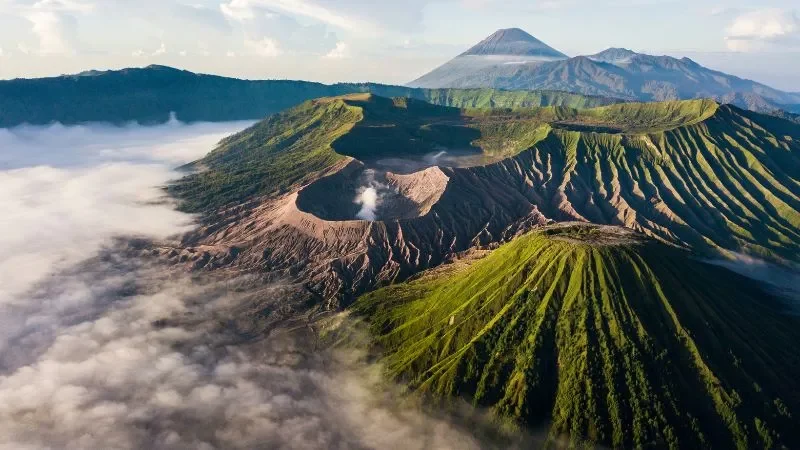
The natural phenomena at Mount Bromo are among the reasons many tourists never get tired of returning. Golden sunrises, clouds covering the caldera, and frost resembling tropical snow create a different experience every visit. It is no surprise that Bromo remains a destination worth visiting more than once.
These natural phenomena also depend on the season and your arrival time. Each trip can offer scenery that looks different from your previous visit. This article explores some of Bromo’s most fascinating natural phenomena. It also includes brief tips on the best time to see them.
Iconic Natural Phenomena at Mount Bromo
There are many ways to enjoy the natural phenomena at Mount Bromo. From morning until afternoon, you will have plenty of opportunities to experience them. So, what are these phenomena?
1. A Sunrise That Looks Different Every Day
Sunrise is one of the main attractions in the Bromo area. Interestingly, the sky’s colors, fog thickness, and cloud positions change every day. This makes each visit feel like a new experience, even from the same viewpoint.
Several factors can affect the beauty of the sunrise, including:
- The season, as the dry season tends to offer clearer skies.
- Daily weather conditions, which can change suddenly.
- The sun’s position throughout the year, which affects the direction of light toward the crater.
2. A Sea of Sand That Resembles a Desert
One of the most iconic natural phenomena at Mount Bromo is its vast sea of sand. It stretches across thousands of hectares within the caldera. The area formed from volcanic material left by a major eruption thousands of years ago. It creates scenery resembling a desert within a tropical mountain region.
Interestingly, the sea of sand creates different visual effects depending on your visiting time. It can appear golden in the morning. As fog descends closer to noon, the landscape becomes darker and more dramatic.
3. Thick Fog That Arrives Suddenly
Tourists visiting during the rainy season often see thick fog appear suddenly. It can cover the crater and savanna within minutes. This phenomenon occurs because of extreme temperature differences between the highlands and surrounding air.
Although it can sometimes block the view, many tourists enjoy its mystical atmosphere. It adds a unique impression to the journey.
4. Whispering Sands and the Unique Sound of the Wind
In the area known as Whispering Sands, wind passing through gaps between rocks and sand creates unusual sounds. The sound resembles a whisper. This natural acoustic phenomenon attracts tourists curious about the area’s unique sounds.
5. An Active Crater with Sulfur Smoke
Bromo’s crater remains active, as shown by sulfur smoke rising continuously from its depths. This phenomenon reminds visitors that the landscape’s beauty comes from nature’s still-active forces.
The smell of sulfur and faint rumbling from inside the crater add to the experience. Standing near the rim of an active crater feels even more memorable.
6. A Green Savanna After the Rainy Season
Besides its dry sea of sand, the Bromo area also has a vast savanna. Its colors change with the seasons. During the rainy season, the grass turns fresh green. This contrasts with Bromo’s usual image of dry brown landscapes.
This seasonal transformation encourages many tourists to return at different times. They want to see Bromo’s changing appearance throughout the year.
The natural phenomena at Mount Bromo prove that this area rarely offers the same experience twice. Every corner, season, and visiting time can tell a different story. That is why many tourists feel one visit is simply not enough.
That is why Landscape Bromo is here as a travel agency ready to help plan your best Bromo itinerary! We can accompany your journey, from chasing sunrise at Penanjakan to seeing the sea of clouds. You can also experience the rare frost during the dry season. Choose a tour package that suits your needs, whether an open trip or a private trip. What are you waiting for? Contact Landscape Bromo today!
FAQ
1. When Is the Best Time to See Frost at Bromo?
Frost appears most often during the dry season, especially from June to August. During this period, early morning temperatures can drop below 5 degrees Celsius.
2. Can You See the Sea of Clouds Every Day?
Not always. The sea of clouds depends heavily on temperature, humidity, and wind conditions. It appears more often during the dry season when the weather is clear and calm.
3. Where Is the Best Location to Experience Whispering Sands?
Whispering Sands is located in the Sea of Sand area near Mount Bromo and Mount Batok. Tourists usually visit after sunrise at Penanjakan and before heading to the crater.
4. Are the Natural Phenomena at Bromo Safe for Tourists to Experience?
Yes, as long as you follow your guide’s instructions. Do not cross the boundaries set by Bromo Tengger Semeru National Park management.
