
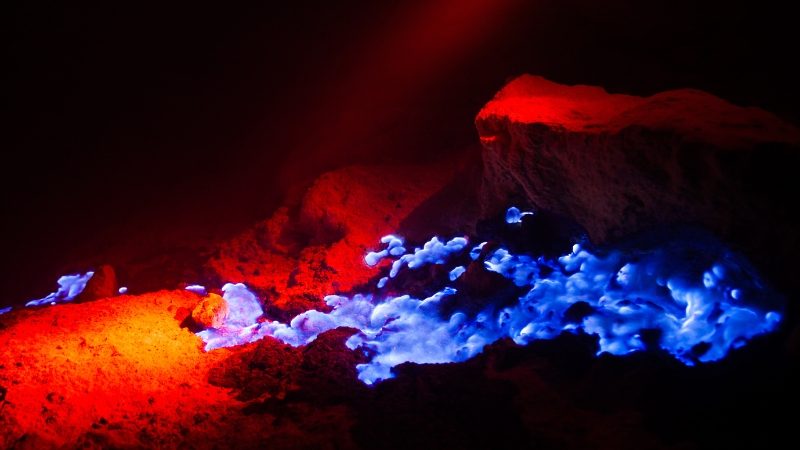
The Best Time to See the Ijen Crater Blue Fire and Tips for Safe Climbing
Are you planning an adventure to Ijen Crater? If so, the blue fire phenomenon at Ijen Crater is almost certainly on your bucket list. The beauty of the blue flames that emerge from the burning of active sulfur gas is not only visually stunning, but also one of the rarest natural phenomena in the world. It is no exaggeration that many local and foreign tourists are willing to hike in the middle of the night to witness this magical moment firsthand.
However, seeing the blue fire is not just a matter of arriving and hiking. There are certain times that are most ideal, weather conditions that need to be considered, and hiking preparations that should not be taken lightly for safety reasons. So, to make sure you don’t make any mistakes, let’s find out more!
When is the Best Time to See the Ijen Crater Blue Fire?
The Ijen crater blue fire phenomenon can only be seen in the dark, so it is outside of normal tourist hours. The most suitable recommended time is:
- 2:00–4:00 a.m., when the blue fire is most intense in the middle of the night before dawn.
- Depart around 12:00–1:00 a.m. so you have enough time to hike from the Paltuding post, which usually takes about 1.5–2 hours.
- Dry Season (April–October): The weather is more favorable, the trails are not too slippery, and the sky tends to be clear, so visibility of the blue fire is optimal.
If you come during the rainy season from November to March, the trail can be slippery, and the potential for fog or rain obscuring the view is very high. These conditions make the blue fire viewing experience less than optimal.
Tips for a Safe and Comfortable Hike
Hiking to the Ijen crater is not just an afternoon stroll. The terrain is challenging, the temperature is cold, and sulfur gas can be irritating if you are not prepared. For that reason, follow these tips!
1. Physical Preparation
Since the hiking trail is ±3 km long with a considerable incline, make sure you are in good physical condition. Walk at a comfortable pace and do not overexert yourself.
2. Bring a Gas Mask
Sulfur gas can be very thick and irritate your eyes or throat. A professional gas mask or respirator is highly recommended, even mandatory if you descend into the crater area near the blue fire.
3. Comfortable Hiking Shoes
Since the nighttime trail tends to be dark and rocky, hiking shoes with good grip can prevent slipping. A headlamp is also very helpful.
4. Warm Clothing
The air at the summit can be very cold, especially before sunrise. A warm jacket, gloves, and thick socks will increase your comfort.
5. Hire a Local Guide
Local guides not only know the best trails, but can also ensure your safety because they are familiar with the current conditions in the field.
Now you know the best time to see the blue fire phenomenon at Ijen Crater and tips for a safe and practical climb for the best experience. The key is careful planning to ensure a satisfying trip. Also, remember not to rush home after enjoying the blue fire at Ijen Crater in the dark! As the sun rises, the panoramic view of the turquoise crater lake becomes an equally stunning photo opportunity.
And, for those of you who want to enjoy a more practical trip without the hassle of arranging everything yourself, Landscape Bromo is here to help. We offer a Bromo – Ijen Tour Package specially designed for those who want to witness the blue fire phenomenon at Ijen Crater and enjoy the Bromo sunrise in one trip.
Options include a 2-Day 1-Night (2D1N) or 3-Day 2-Night (3D2N) itinerary, complete with professional guides, comfortable transportation, and well-prepared accommodations. All you need to do is arrive, enjoy the journey, and focus on capturing the best moments without any hassle.
So, what are you waiting for? Pack your best gear, bring your friends or family, and let’s explore one of Indonesia’s most amazing natural phenomena with Landscape Bromo!
